
- Home
- |
- Our Culture
- Louis Riel
- Métis Firsts in North America
- Métis Minute
- Who are we?
- Métis Nation Database
- Kids' Corner
- I Love to Bead Month
- |
- Departments / Affiliates
- Citizenship
- Culture & Heritage
- Early Learning & Child Care
- Economic Development
- Education
- Energy, Infrastructure & Resource Management
- Engagement and Consultation
- Health & Wellness
- Housing and Property Management
- Identity Protection, Inter-Indigenous Relations & International Affairs
- Infinity Women Secretariat
- Louis Riel Capital Corporation
- Louis Riel College
- Louis Riel Institute
- MEDOCare Pharmacy
- Métis Child and Family Services Authority
- Métis Employment & Training
- Métis Justice Institute
- Métis Rights & Constitution
- Michif Language
- Red River Métis Business Development Corporation
- Red River Métis Community Resource
- Red River Métis Fur Company
- Red River Métis National Heritage Centre
- Red River Métis Veterans
- Riel House
- Sixties Scoop
- Youth
- |
- Government
- |
- Jobs
- |
- News
- |
- Contact
Ambassador Chartier attends the 19th Session of the Expert Mechanism on the Rights of Indigenous Peoples at the UN in Geneva, Switzerland.
July 21, 2026
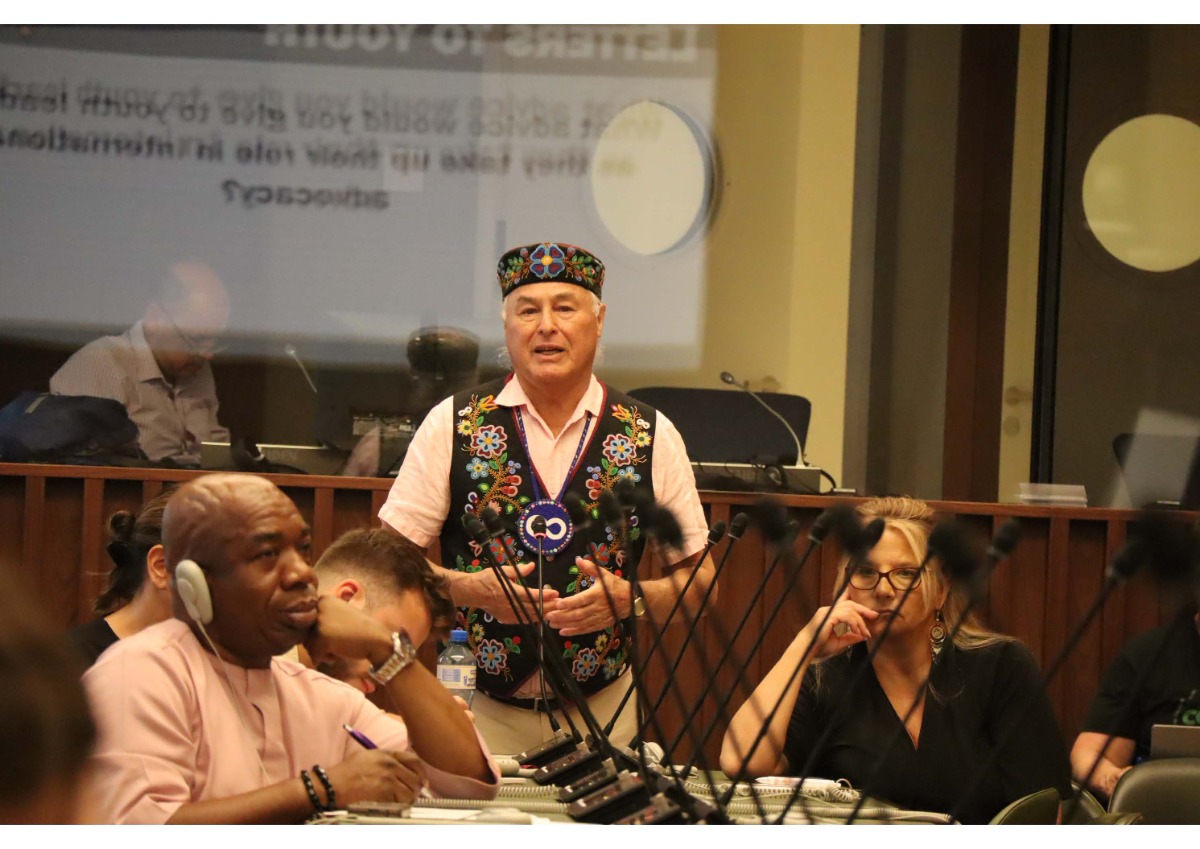
July 2026 - Ambassador Clément Chartier, representing the MMF, the National Government of the Red River Métis from July 13-17th attended the 19th Session of the Expert Mechanism on the Rights of Indigenous Peoples (EMRIP). Ambassador Chartier also participated in the Global Indigenous Caucus meeting on July 11-12th in preparation for the EMRIP sessions.
Ambassador Chartier was able to make interventions in two of the four sessions he signed up for but nevertheless was able to provide all four written statements to the EMRIP secretariat which will form part of the official record. These interventions follow this article.
The first intervention was on Item 3: Study and advice on the rights of Indigenous peoples in conflict and post-conflict situations. This item was accompanied by a 20-page draft report prepared by EMRIP titled "Rights of Indigenous Peoples in conflict and post-conflict situations". The study was very broad and encompasses the Red River Métis struggle both historically and today, as the basis of its study is the acknowledgment that conflicts affecting Indigenous peoples are rooted in historic injustices arising from colonization and the dispossession of Indigenous peoples from their lands and resources.
The second intervention was made on Item 10: Preparing for twenty years of the United Nations Declaration on the Rights of Indigenous Peoples. The two-page concept note called for taking stock of what has been accomplished over the past 19 years, and what it is hoped will be accomplished over the next 20 years following the 20th anniversary of UNDRIP next year. Ambassador Chartier spoke to the positive developments experienced by the Red River Métis over the past decade under the Trudeau Liberal government, including the MMF Treaty which he informed EMRIP is now in 2nd reading in the House of Commons.
While not being called on to make an oral intervention, Ambassador Chartier provided written statements for Item 9: Enhancing the Participation of Indigenous Peoples in the United Nations and Item 7: International Decade of Indigenous Languages.
There were also a number of different side-events which Ambassador Chartier attended, including one addressing the untimely death of Indigenous leader, Brooklyn Rivera of Nicaragua who died in state custody.
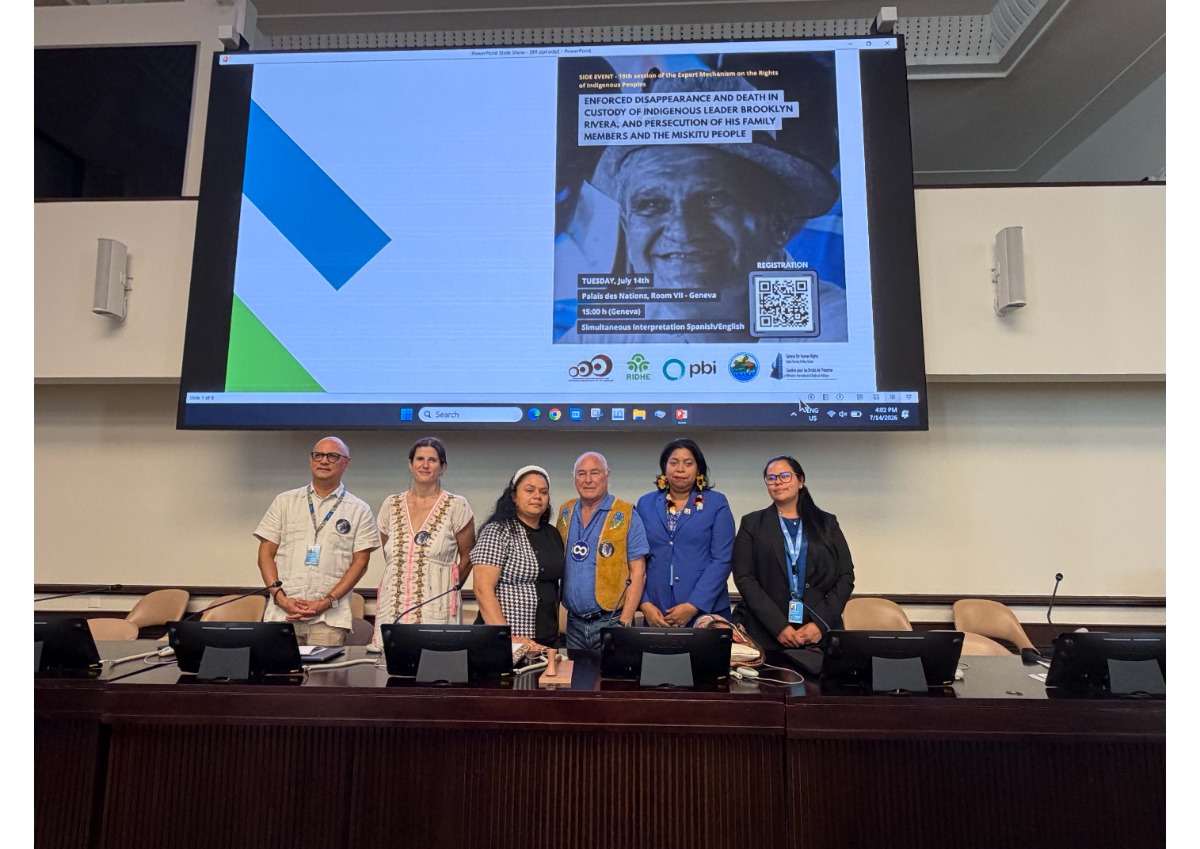
Item 3: Study and Advice on the Rights of Indigenous Peoples in Conflict and Post-Conflict Situations.
Intervention by: Manitoba Métis Federation, the National Government of the Red River Métis.
My name is Clément (Clem) Chartier, Ambassador Responsible for International Relations for the Manitoba Métis Federation (MMF), the National Government of the Red River Métis in Western Canada.
I begin by thanking the Members of EMRIP for carrying out this study, which is well documented and thorough.
My government is especially pleased to see the broad understanding and approach taken as the basis of the study, including the acknowledgment that conflicts affecting Indigenous peoples are rooted in historic injustices arising from colonization and the dispossession of Indigenous peoples from our lands and resources.
My people, the Red River Métis, continue to experience the adverse impacts of dispossession, and continue to seek redress and reparations.
My government is also concerned about violations continuing to occur in the Americas.
In South and Central America, as the examples in the study show, this violence and inequality are much too rampant.
In the recent case of the death of Brooklyn Rivera, Ta Upla of the Indigenous peoples of the Atlantic Coast in Nicaragua, while under enforced state incarceration for almost three years, to the arrest of family members who tried to seek the return of his body for a proper traditional burial in his home village, to the continued incarceration and persecution of many Indigenous leaders, including Steadman Fagoth, the United Nations and the Organization of American States must take more decisive action against that rogue country.
Thank you.
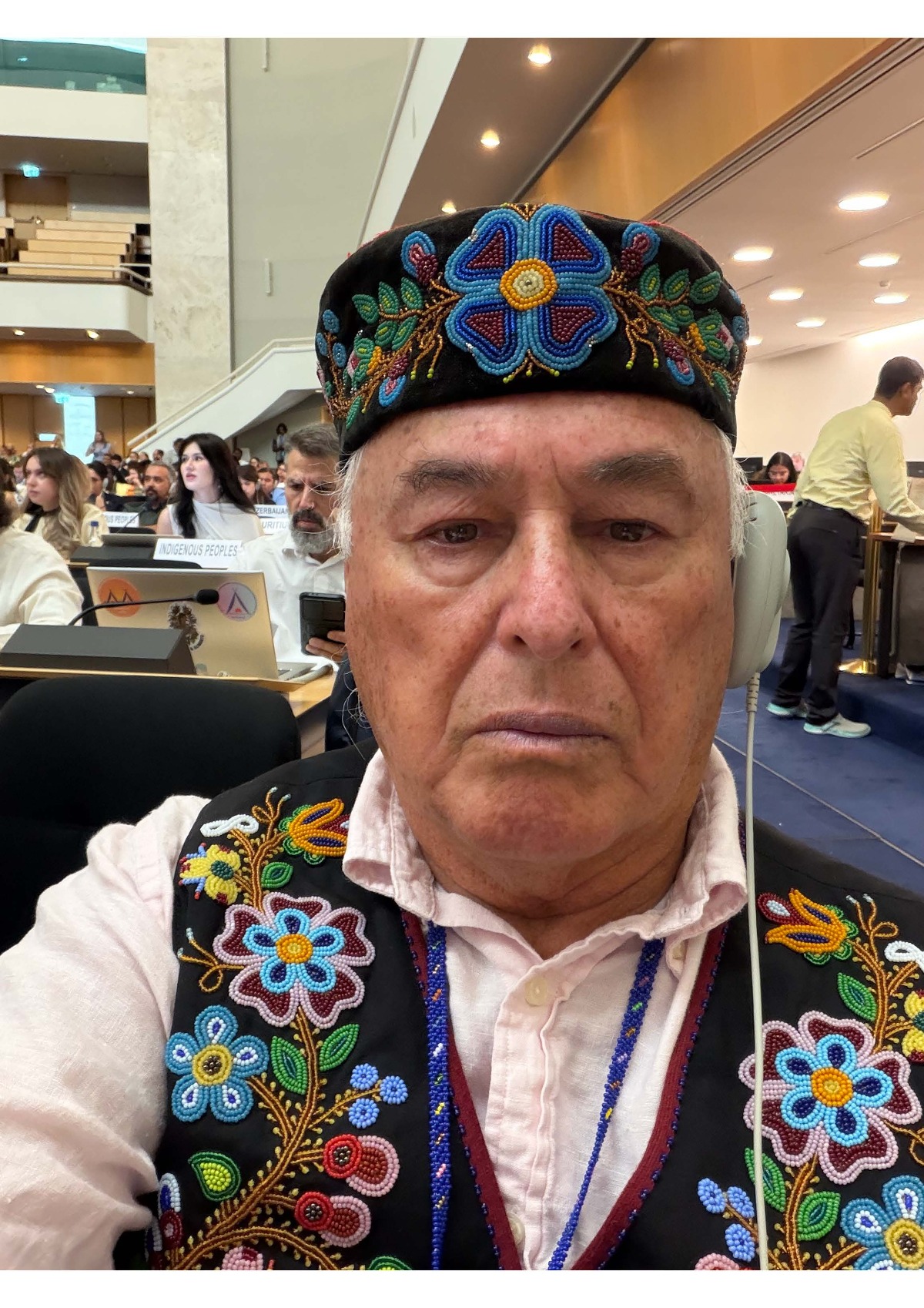
Item 7: International Decade of Indigenous Languages
Intervention by: Manitoba Métis Federation, the National Government of the Red River Métis.
My name is Clément (Clem) Chartier, Ambassador Responsible for International Relations for the Manitoba Métis Federation (MMF), the National Government of the Red River Métis in Western Canada, the sole and legitimate representative of the Historic Métis Nation.
Michif is the official language of the Red River Métis, although many of our citizens speak Cree, Saulteau or Dene.
However, our language is in serious danger of disappearing with well under 1,000 fluent speakers.
In 2019 we fully embraced the International Year of Indigenous Languages, as well as the Decade initiated in 2022.
In 2019 Canada, with the participation of Indigenous peoples, co-developed the Indigenous Languages Act, coupled with annual funding to assist us in reclaiming, revitalizing, maintaining and strengthening Indigenous languages.
The Office of Commissioner of Indigenous Languages was also created and funded by Canada.
While more needs to be done in Canada, the federal government has made welcomed contributions to assist us in these efforts.
My Red River Métis government also supports the call for an International Convention on Indigenous Languages, and we are hopeful that this will be a reality by the end of the Decade.
If this in fact occurs, we propose that a Second Decade of Indigenous Languages be proclaimed for the purpose of implementing the Convention.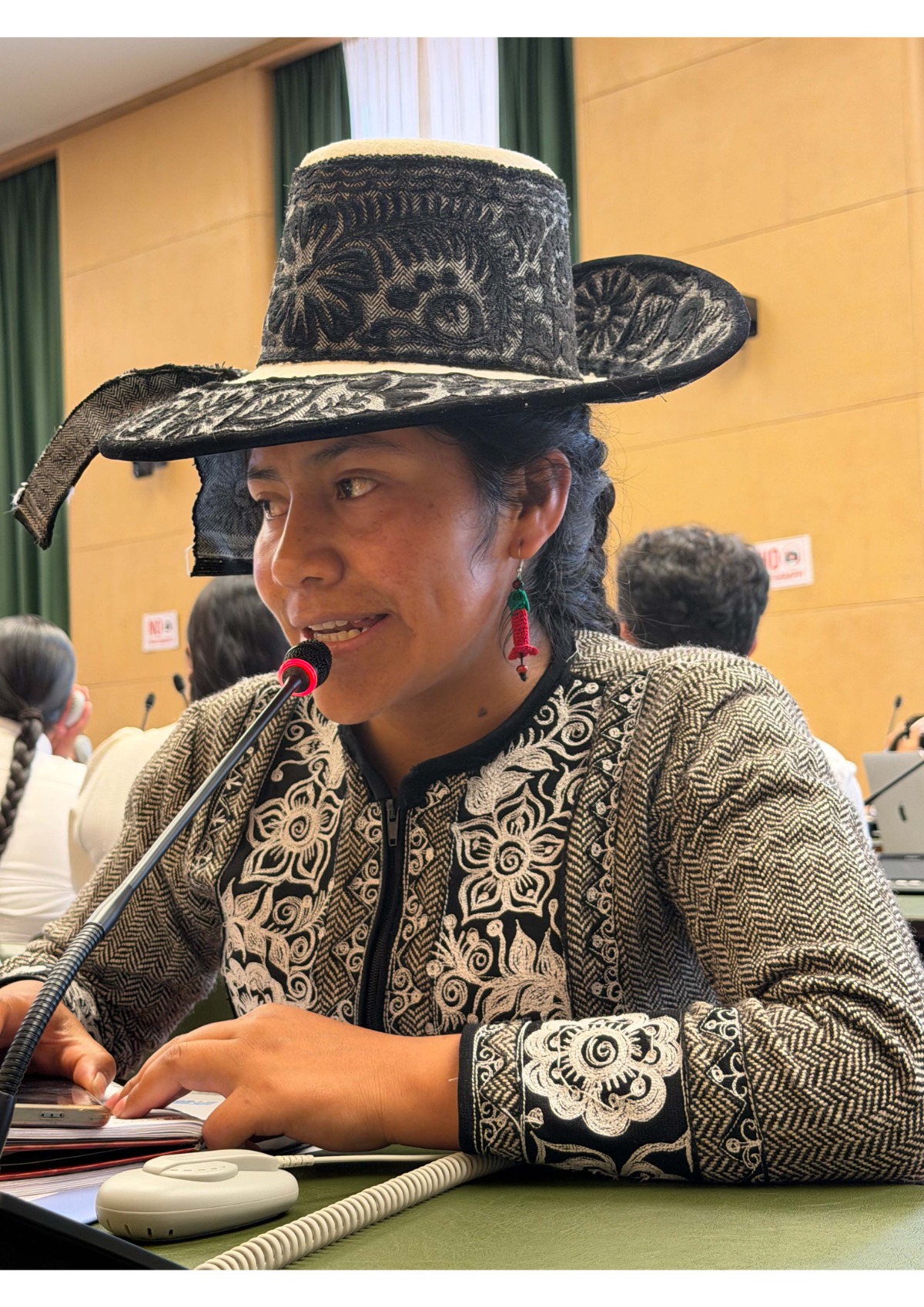
Item 9: Enhancing the Participation of Indigenous Peoples in the United Nations.
Intervention by: Manitoba Métis Federation, the National Government of the Red River Métis.
My name is Clément (Clem) Chartier, Ambassador Responsible for International Relations for the Manitoba Métis Federation (MMF), the National Government of the Red River Métis in Western Canada.
The call for enhanced participation has been made by Indigenous peoples for a number of decades now.
While we continue to experience reluctance by some states to accommodate this potential, the dedicated efforts by the Human Right Council, and in this case, EMRIP, to keep the dialogue going, is very much appreciated.
We believe that some general principles should be adopted in order to guide the discussions as we move forward. One of those principles is the right of self-determination, including the right of representation.
Based on self-determination only Indigenous peoples and nations can determine their own citizenship and representative institutions. While self-identification is an important aspect of this, there will still be a need for an accreditation mechanism to ensure against identity fraud and non-representative institutions or organizations.
While developments are at different stages in various parts of the Indigenous world, we must act now with those Indigenous peoples' representative institutions that are ready, whether they be governments or other forms of representative institutions.
The process would remain open for those Indigenous peoples who reach the threshold necessary to gain that accreditation.
For those not yet at that stage, their continued participation in the Human Rights Council, and it's subsidiary bodies could remain as is currently in place.
Item 10: Preparing for twenty years of the United Nations Declaration on the Rights of Indigenous Peoples.
Intervention by: Manitoba Métis Federation, the National Government of the Red River Métis.
My name is Clément (Clem) Chartier, Ambassador Responsible for International Relations for the Manitoba Métis Federation (MMF), the National Government of the Red River Métis in Western Canada, the sole and legitimate representative of the Historic Métis Nation.
With the election of the Trudeau liberal government in October 2015, Canada in the spring of 2016 fully embraced UNDRIP, and embarked on a decade of reconciliation, grounded in the Declaration.
This led to the co-development of federal legislation implementing the Declaration in 2021, accompanied by a federal government Action Plan, with annual progress reports.
For the Red River Métis, the Métis Nation entered into an unprecedented decade of reconciliation, beginning with the signing of the Canada - Métis Nation Accord in April 2017, leading to unprecedented federal government budget allocations amounting to over 3 billion dollars between 2018 - 2021.
We also engaged in rights reconciliation processes, leading to a self-government agreement in 2021, and a Canada - MMF Treaty in November 2024 on self-government. This Treaty is now in 2nd reading in the House of Commons and we are hopeful that the ratification legislation will soon be adopted, and our Treaty receiving Constitutional protection.
Following this, over the next twenty years, we will continue our efforts to seek restitution and redress for the dispossession from our lands and resources over 100 years ago.

Contact Us
300-150 Henry Avenue
Winnipeg, Manitoba, Canada, R3B 0J7
x 204-586-8474 A info@mmf.mb.ca
