
- Home
- |
- Our Culture
- Louis Riel
- Métis Firsts in North America
- Métis Minute
- Who are we?
- Métis Nation Database
- Kids' Corner
- I Love to Bead Month
- |
- Departments / Affiliates
- Citizenship
- Culture & Heritage
- Early Learning & Child Care
- Economic Development
- Education
- Energy, Infrastructure & Resource Management
- Engagement and Consultation
- Health & Wellness
- Housing and Property Management
- Identity Protection, Inter-Indigenous Relations & International Affairs
- Infinity Women Secretariat
- Louis Riel Capital Corporation
- Louis Riel College
- Louis Riel Institute
- MEDOCare Pharmacy
- Métis Child and Family Services Authority
- Métis Employment & Training
- Métis Justice Institute
- Métis Rights & Constitution
- Michif Language
- Red River Métis Business Development Corporation
- Red River Métis Community Resource
- Red River Métis Fur Company
- Red River Métis National Heritage Centre
- Red River Métis Veterans
- Riel House
- Sixties Scoop
- Youth
- |
- Government
- |
- Jobs
- |
- News
- |
- Contact
Plants of the Homeland: Greenery that has shaped Red River Métis traditions
March 3, 2026
Honouring the plants that nourish, protect, and sustain the Red River Métis way of life
In celebration of World Wildlife Day, the Manitoba Métis Federation (MMF) is shining a light on some of the most important plants of the Homeland and all the initiatives being taken to protect and conserve our ecosystems.
Red River Métis Citizen Kevin Wasylenko, project coordinator with the Energy, Infrastructure and Resource Management (EIRM) Department, sat down with MMF Spotlight to showcase the plants that make the Homeland rich and diverse, thus enriching the Red River Métis way of life.
Follow along to see some of the Homeland's plant highlights and what makes them stand out!
Manitoba maple
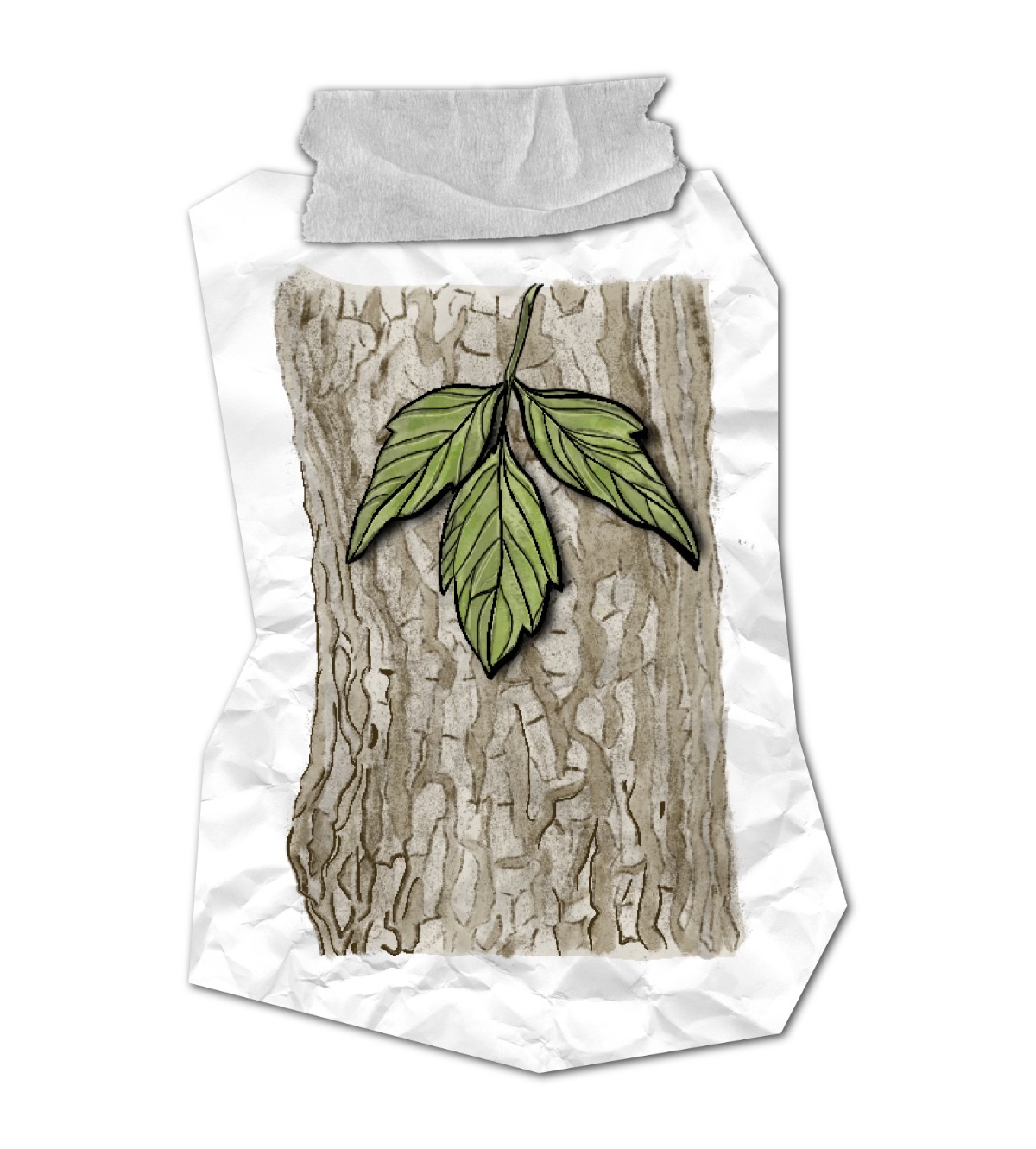
Manitoba maple has proven to be an iconic staple in Red River Métis culture.
The Manitoba maple tree may be known for its iconic maple syrup, but it also serves many other purposes for the Red River Métis.
"Plants have also been intertwined with River Métis culture, specifically on how we use them and the teachings that those plants have given us over generations," said Wasylenko.
When we are not tapping the trees in early February to late March for sap harvesting, the wood of the maple tree has historically been used by the Red River Métis to make fiddles - and, along with other hardwoods such as birch, oak, and elm - aided in the creation of Red River carts. A fast grower and easy to establish, the Manitoba maple stands as a resilient, versatile, and iconic resource woven into Red River Métis history.
Saskatoon
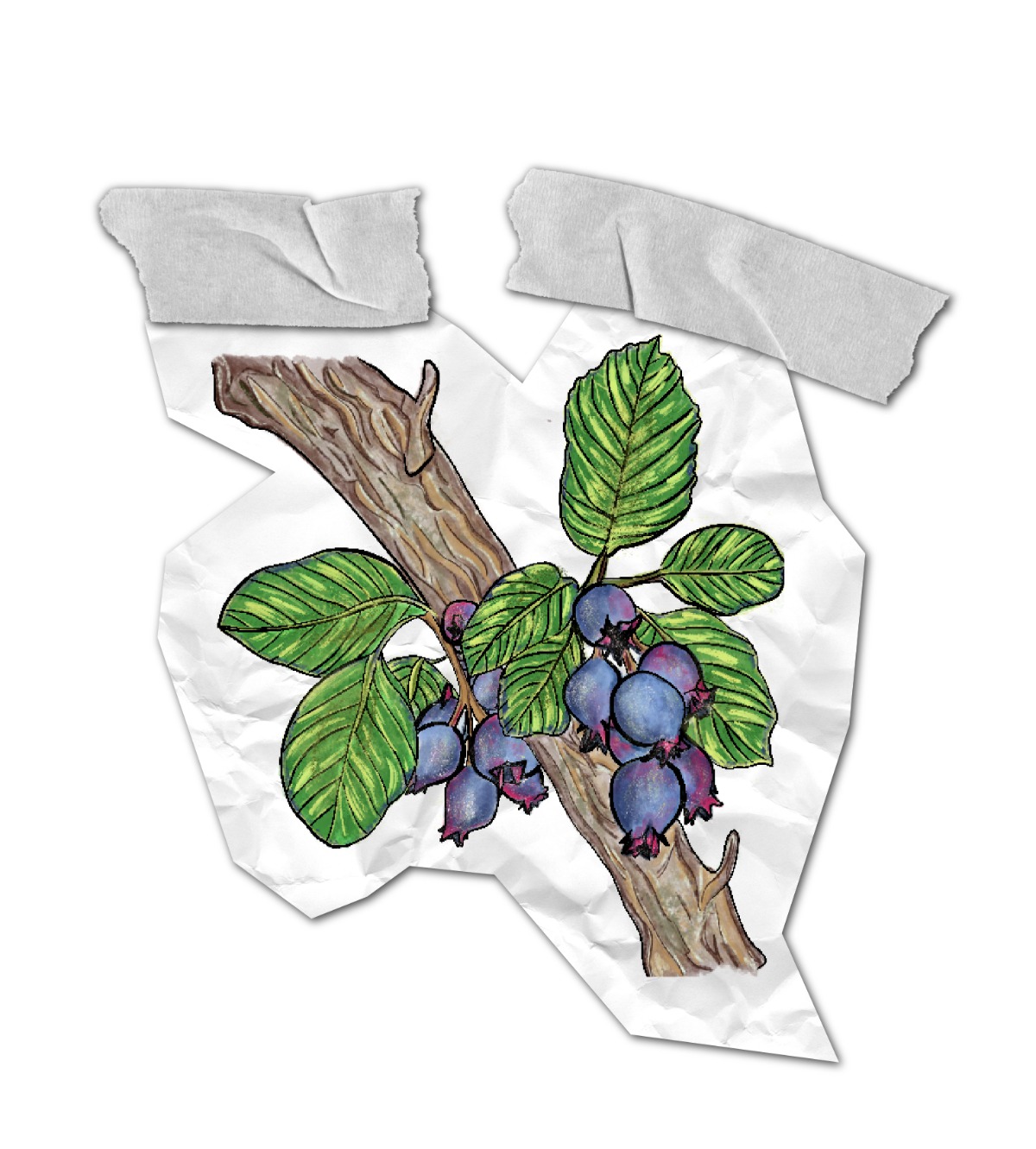 A hardy berry shrub cherished for its nutrient richness, Saskatoon berries have sustained Red River Métis families throughout the Homeland.
Saskatoon berries have long been an essential food source for the Red River Métis - especially through harsh prairie winters. The small, sweet, and flavourful berries can be used in jams, jellies, and pies, but also were a staple ingredient in pemmican alongside Highbush Cranberry and Blueberries.
"[The] berries were used in some of the original recipes for pemmican because it would provide a sweetness that would make pemmican more palatable to eat," said Wasylenko. "[Red River Métis] were able to harvest these types of berries, dry them, and have access to them throughout the winter, when access to food was most difficult."
In all its forms, the Saskatoon berry continues to nourish both the people and the traditions of the Red River Métis.
White spruce
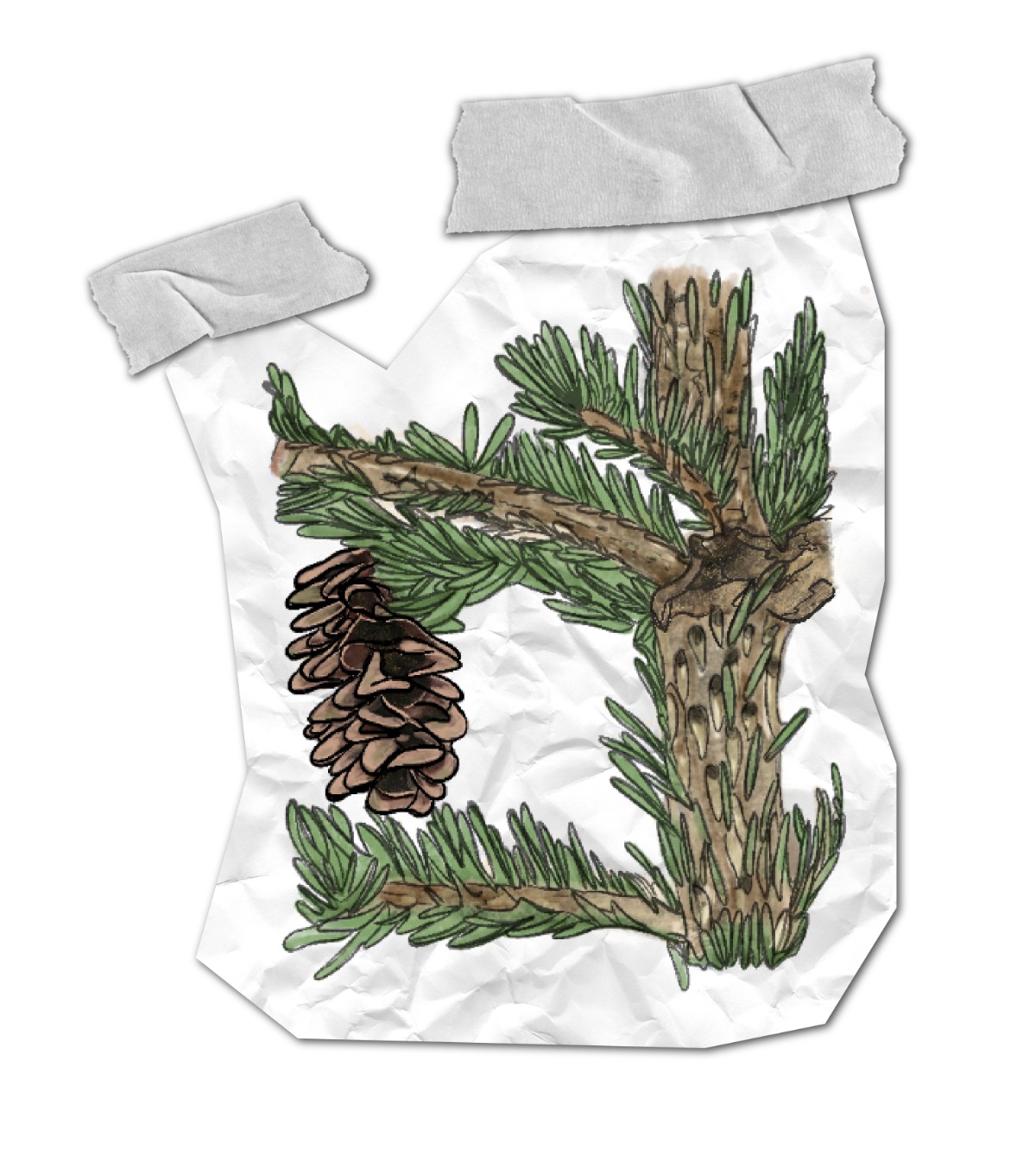 Widely adaptable, white spruce is the provincial tree of Manitoba.
Known as the provincial tree of Manitoba, white spruce has countless uses, and is commonly known for its historical role in traditional wellness practices.
"For the Red River Métis, [white spruce] was commonly used as a means of reducing congestion and flu symptoms. The needles would be collected, they would either make a tea with the needles, or they'd boil water to create a steam bath, and then inhale the vapors as a means of reducing mucus buildup," said Wasylenko.
White spruce has played a part in seasonal food practices as well.
"In the early spring, when the new needles are forming, they would collect the tips from the spruce branches because the new needles are very succulent at this time. They were usually consumed raw for their high nutrient content," said the project coordinator.
Beyond its cultural uses, white spruce remains an important species in environmental conservation. It is used in reforestation efforts across the Homeland, helping restore and support the natural habitat.
Mint
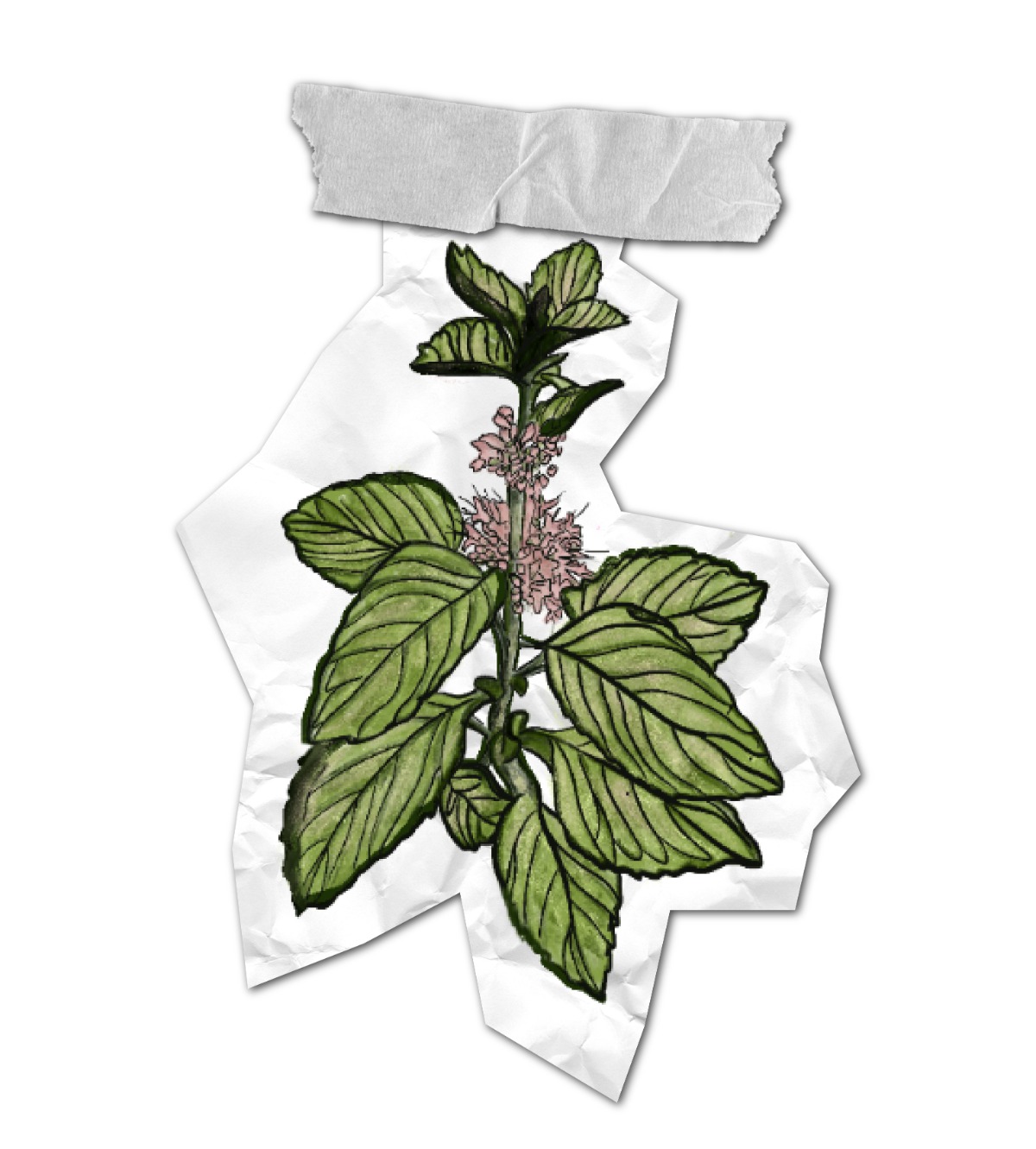 Known for its strong fragrance, mint serves as both a culinary staple and a practical tool - historically used by Red River Métis Harvesters and trappers.
Mint is more than a culinary herb for the Red River Métis, playing an important role in everyday harvesting practices.
"Mint not only was very important when it came to the culinary aspect of being used as flavouring in cooking and teas, but it was actually used as an insect repellent," said Wasylenko. "When [Harvesters] would dry hides and meat, they would dry and crush the mint leaves and then sprinkle it over top of the drying material, because the strong odour that mint produces acts as a natural insect repellant."
Trappers would also use mint when laying trap lines to camouflage their scent.
"They could rub the mint over these traps to conceal human odor so that the traps remained undetectable to wildlife," he said.
Paper birch
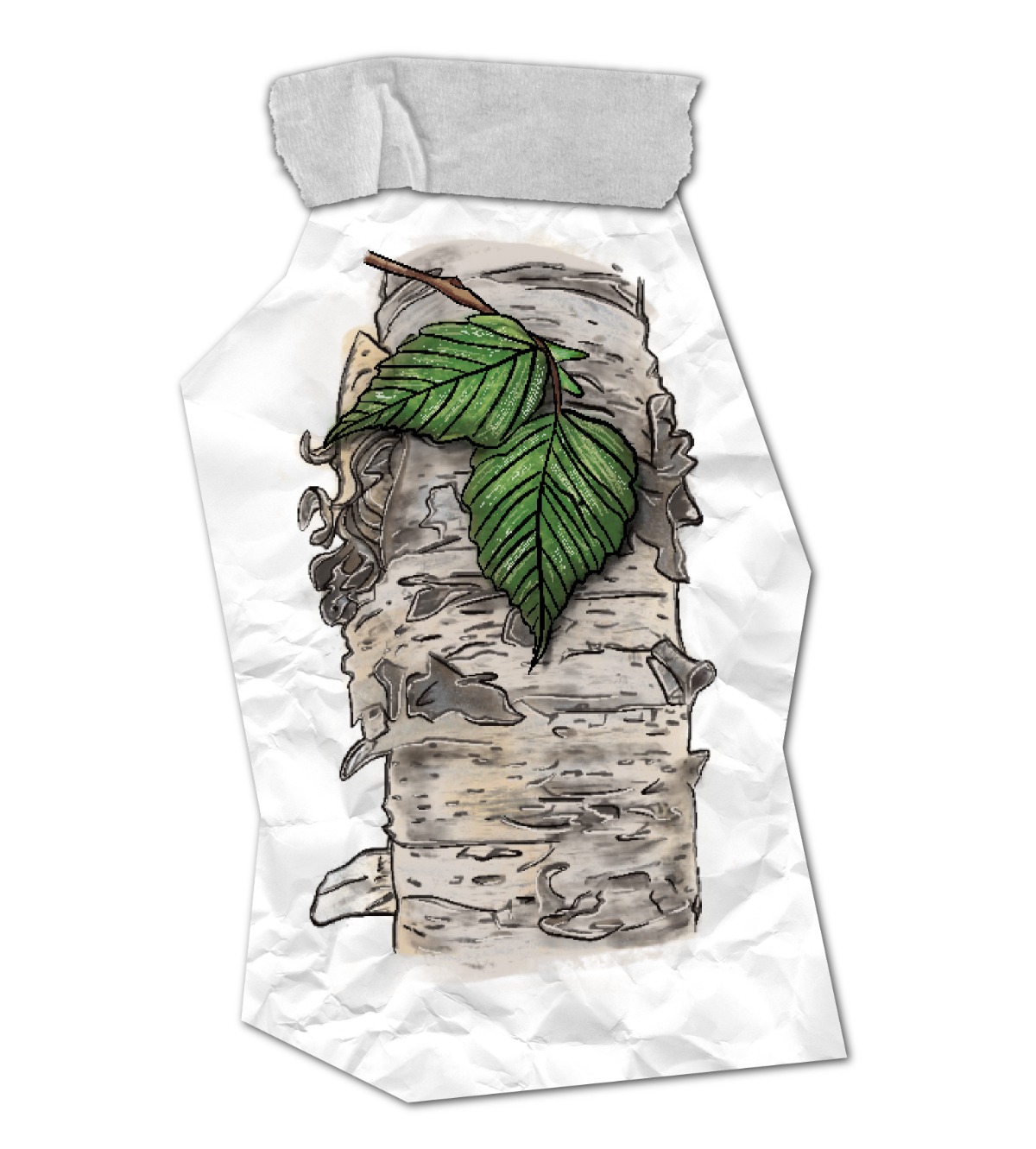 Valued by the Red River Métis for its ecological benefits, the iconic white, papery bark is what makes the paper birch easily identifiable.
Known for its beauty and ecological importance, the paper birch was crucial in the production of canoes, and as a hardwood construction material in Red River carts.
You wouldn't plant this tree just anywhere; instead, you should aim to maintain harmony with the natural ecosystem that already exist in a riparian area - which is well suited for paper birch because of its ability to stabilize soil and reduce erosion.
The paper birch also greatly benefits wildlife habitat - especially bird populations and many beneficial fungus species.
Together, the tree's qualities and rich history allow it to shine as a key species in maintaining synergy between landscapes and the Red River Métis Community.
Are you digging what we're planting?
As the MMF continues to Make our Homeland Green Again, EIRM offers programs that further encourage Citizens to put their best ecological foot forward. By participating in Red River Métis stewardships, Citizens can collectively strengthen ecosystems, in turn preserving plants that are intertwined with Red River Métis history and protecting our traditional way of life.
Visit EIRM's webpage to learn more about how you can participate in one of many environmental programs offered to Red River Métis Citizens!
Plantes de notre patrie : la végétation qui a façonné les traditions des Métis de la Rivière Rouge
Hommage aux plantes qui nourrissent, protègent et appuient le mode de vie des Métis de la Rivière Rouge
À l'occasion de la Journée mondiale de la vie sauvage, la Fédération Métisse du Manitoba (FMM) célèbre certaines des plantes les plus importantes de la patrie et toutes les initiatives qui sont prises pour protéger et conserver nos écosystèmes.
Kevin Wasylenko, citoyen Métis de la Rivière Rouge et coordonnateur de projet au ministère de l'Énergie, des Infrastructures et de la Gestion des ressources (EIGR), s'est entretenu avec l'équipe de Spotlight de la FMM pour mettre en lumière les plantes qui font la richesse et la diversité de la patrie, et qui enrichissent ainsi le mode de vie des Métis de la Rivière Rouge.
Poursuivez votre lecture pour découvrir certaines des plantes les plus remarquables de la patrie et ce qui fait leur particularité!
Érable du Manitoba
L'érable du Manitoba s'est imposé comme une ressource emblématique dans la culture des Métis de la Rivière Rouge.
Si l'érable du Manitoba est surtout connu pour son sirop emblématique, il remplit également de nombreuses autres fonctions pour les Métis de la Rivière Rouge.
« Les plantes sont indissociables de la culture des Métis de la Rivière Rouge; elles dictent l'usage que nous en faisons et nous révèlent de précieux enseignements depuis des générations », explique M. Wasylenko.
En dehors de la période de récolte de la sève, de début février à la fin mars, le bois de l'érable servait aux Métis de la Rivière Rouge pour la fabrication de violons et, avec d'autres feuillus, dont le bouleau, le chêne et l'orme, pour la construction de charrettes de la rivière Rouge. Comme il pousse rapidement et qu'il est facile à cultiver, l'érable du Manitoba est une ressource résistante, polyvalente et emblématique qui fait partie intégrante de l'histoire des Métis de la Rivière Rouge.
Amélanchier
Arbuste robuste prisé pour sa valeur nutritive, l'amélanchier a assuré la subsistance des familles Métisses de la Rivière Rouge dans toute la patrie.
Les petits fruits de l'amélanchier ont longtemps été une source de nourriture essentielle pour les Métis de la Rivière Rouge, surtout durant les hivers rigoureux des prairies. Ces petites baies sucrées et savoureuses peuvent être utilisées dans les confitures, les gelées et les tartes, mais elles étaient également un ingrédient de base du pemmican, au même titre que les canneberges et les bleuets.
« [Les] baies étaient utilisées dans certaines des recettes originales de pemmican, car elles apportaient une douceur qui rendait le pemmican plus appétissant, précise M. Wasylenko. [Les Métis de la Rivière Rouge] cueillaient les petits fruits, les faisaient sécher et les consommaient tout au long de l'hiver, lorsque les sources de nourriture se faisaient rares ».
Dans chacune de ses utilisations, l'amélanche continue de nourrir le peuple des Métis de la Rivière Rouge et ses traditions.
Épinette blanche
Très adaptable, l'épinette blanche est l'arbre-emblème de la province du Manitoba.
Arbre provincial du Manitoba, l'épinette blanche se prête à mille et un usages. Elle est surtout connue pour le rôle qu'elle a joué au fil des ans dans les pratiques traditionnelles de bien-être.
« Chez les Métis de la Rivière Rouge, [l'épinette blanche] était couramment utilisée pour soulager la congestion et les symptômes de la grippe. On récoltait les aiguilles, puis on les faisait infuser pour faire des tisanes ou on les faisait bouillir pour créer un bain de vapeur; l'inhalation des vapeurs aidait à réduire l'accumulation de mucus », explique M. Wasylenko.
L'épinette blanche a également joué un rôle dans les pratiques alimentaires saisonnières.
« Au début du printemps, au moment de l'apparition des nouvelles aiguilles, on cueillait l'extrémité des branches d'épinette, car les nouvelles pousses sont alors particulièrement succulentes. On les consommait généralement crues en raison de leur teneur élevée en nutriments », ajoute le coordinateur du projet.
Au-delà de ses utilisations culturelles, l'épinette blanche demeure une essence d'arbre importante pour la conservation de l'environnement. On l'utilise dans les projets de reforestation partout dans la patrie afin de restaurer et de protéger nos milieux naturels.
Menthe
Avec son arôme puissant, la menthe est à la fois un incontournable de la cuisine et un outil pratique, utilisée depuis longtemps par les récolteurs et les trappeurs Métis de la Rivière Rouge.
Plus qu'une simple herbe culinaire pour les Métis de la Rivière Rouge, la menthe joue un rôle important dans les activités de récolte quotidiennes.
« Non seulement la menthe était-elle très importante en cuisine, pour aromatiser les plats et les infusions, mais elle servait aussi d'insectifuge, soutient M. Wasylenko. Lorsque les [chasseurs] faisaient sécher des peaux et de la viande, ils broyaient des feuilles de menthe séchées, puis en saupoudraient les aliments mis à sécher, car l'odeur forte de la menthe servait de chasse-moustiques naturel ».
Les trappeurs utilisaient aussi la menthe lorsqu'ils posaient des pièges pour masquer leur odeur.
« Ils frottaient la menthe sur leurs pièges afin de masquer l'odeur humaine et rendre leurs pièges indécelables pour les animaux sauvages », a-t-il déclaré.
Bouleau à papier
Prisé par les Métis de la Rivière Rouge pour ses bienfaits écologiques, le bouleau à papier est facilement reconnaissable à son écorce blanche et parcheminée emblématique.
Reconnu pour sa beauté et son importance écologique, le bouleau à papier était essentiel à la fabrication de canoës et, comme matériau de bois massif, il servait aussi à la construction des charrettes de la rivière Rouge.
On ne plante pas cet arbre au hasard; l'objectif est de préserver l'équilibre de l'écosystème existant en milieu riverain, ce qui convient bien au bouleau à papier en raison de sa capacité à stabiliser le sol et à réduire l'érosion.
Le bouleau à papier est aussi très bénéfique pour l'habitat faunique, en particulier pour les populations d'oiseaux et de nombreuses espèces de champignons utiles.
Grâce à ses propriétés et à sa dimension historique, cet arbre joue un rôle de premier plan dans le maintien de l'équilibre entre le territoire et la communauté des Métis de la Rivière Rouge.
Découvrez ce que nous semons
Alors que la FMM continue de redonner sa verdure à notre patrie, EIGR propose des programmes qui encouragent davantage les citoyens et les citoyennes à faire de leur mieux sur le plan écologique. En participant à la gérance des terres des Métis de la Rivière Rouge, ils peuvent collectivement renforcer les écosystèmes, tout en préservant les plantes qui sont étroitement liées à l'histoire des Métis de la Rivière Rouge et en protégeant notre mode de vie traditionnel.
Consultez la page Web d'EIGR pour en savoir plus sur la manière dont vous pouvez participer à l'un des nombreux programmes environnementaux proposés aux citoyens et citoyennes des Métis de la Rivière Rouge!

Contact Us
300-150 Henry Avenue
Winnipeg, Manitoba, Canada, R3B 0J7
x 204-586-8474 A info@mmf.mb.ca
